
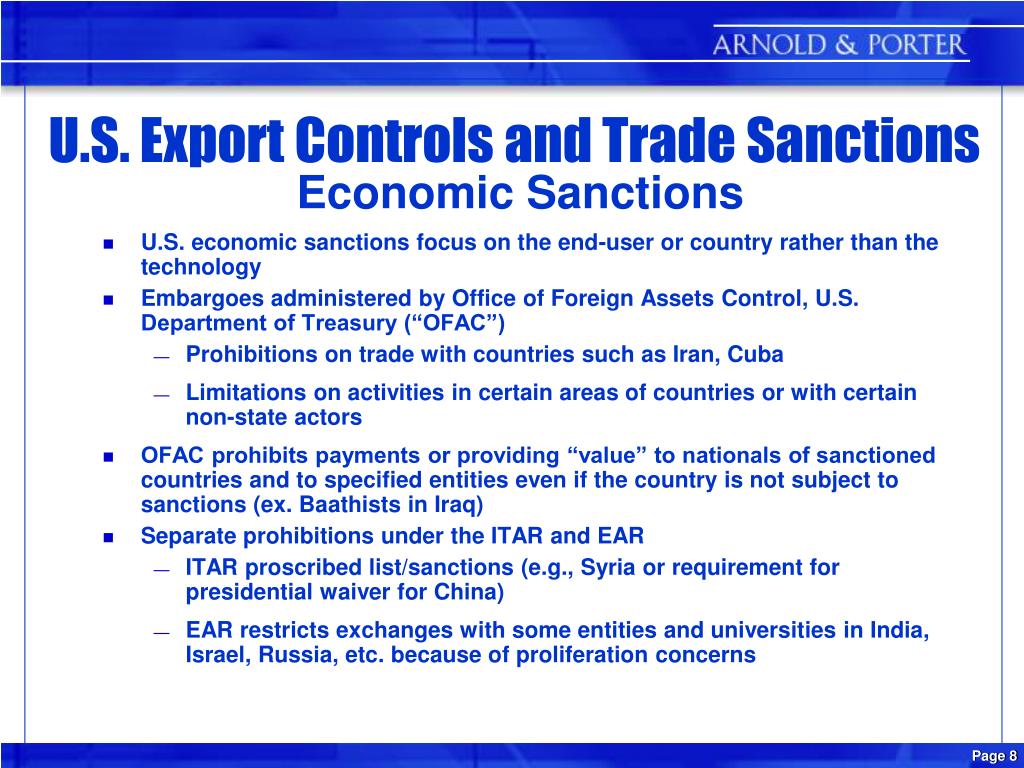
Understanding Economic Sanctions and Export Control Regulations
Economic sanctions and export control regulations are crucial instruments employed by nations to achieve foreign policy objectives, maintain national security, and protect domestic industries. As globalization increases interdependence among nations, the implications of these measures become increasingly significant. Engaging with experienced economic sanctions and export control lawyers is essential for businesses navigating these complex terrains.
What Are Economic Sanctions?
Economic sanctions refer to restrictive measures imposed by one or more countries against a targeted country, group, or individual. These can take various forms, including trade embargoes, asset freezes, travel bans, and restrictions on financial transactions. Sanctions are typically implemented to coerce a change in behavior, enforce international law, or promote human rights and democracy.
Types of Economic Sanctions
- Comprehensive Sanctions: These are broad restrictions that prohibit all trade and economic activities with the targeted nation.
- Selective Sanctions: These focus on specific sectors, individuals, or entities, aiming to minimize the overall impact on the civilian population.
- Diplomatic Sanctions: These involve the reduction or cessation of diplomatic ties, including the expulsion of diplomats.
The Role of Export Control
Export controls are regulatory measures that govern the export of goods and services, particularly those that may have military applications or could contribute to the proliferation of weapons of mass destruction. The primary purpose of export control is national security, ensuring that sensitive technologies do not fall into the hands of adversaries.
Key Aspects of Export Control
Export control regulations vary from country to country but generally encompass the following elements:
- Classifications: Items are classified based on their potential military or dual-use applications, with higher scrutiny applied to sensitive technologies.
- Licensing Requirements: Exporters may need to apply for licenses to export controlled items, providing detailed information about the destination and end-use.
- Compliance Obligations: Companies must have compliance programs in place to ensure adherence to export control regulations, including regular training for employees.
Impact of Economic Sanctions and Export Control on Global Trade
Economic sanctions and export controls profoundly impact global trade dynamics. Countries subject to sanctions often experience significant declines in trade, investment, and economic growth. These measures may also lead to retaliatory actions that can escalate into broader trade disputes or conflicts.
Challenges for Businesses
Businesses engaged in international trade must navigate a complex landscape of legal requirements. Key challenges include:
- Compliance Risks: Failing to comply with sanctions and export control laws can result in severe penalties, including fines and imprisonment.
- Reputational Risks: Companies associated with sanctioned entities or nations may face reputational damage, affecting customer trust and business relationships.
- Market Uncertainty: The unpredictability of sanctions can complicate long-term planning and investment strategies.
The Importance of Legal Guidance
Given the complexities of economic sanctions and export control regulations, legal professionals play a crucial role. They assist businesses in understanding applicable laws, developing compliance programs, and navigating the enforcement landscape. Legal counsel can also provide guidance on mitigating risks and addressing potential violations.
Key Functions of Economic Sanctions and Export Control Lawyers
- Advisory Services: Legal experts can offer tailored advice on navigating the intricacies of sanctions and export controls relevant to a specific business context.
- Risk Assessment: Lawyers help businesses identify potential risks associated with their international operations.
- Training and Education: Providing training programs for employees to understand compliance requirements is essential for preventing violations.
- Representation: In cases of enforcement actions or investigations, legal professionals can represent businesses to defend against penalties.
Conclusion
Economic sanctions and export control regulations are powerful tools in international relations but carry significant implications for global trade. As these frameworks continue to evolve, businesses must remain vigilant in understanding their obligations. Collaborating with experienced economic sanctions and export control lawyers is vital for organizations aiming to successfully navigate the complexities of compliance while safeguarding their interests in the global marketplace.