
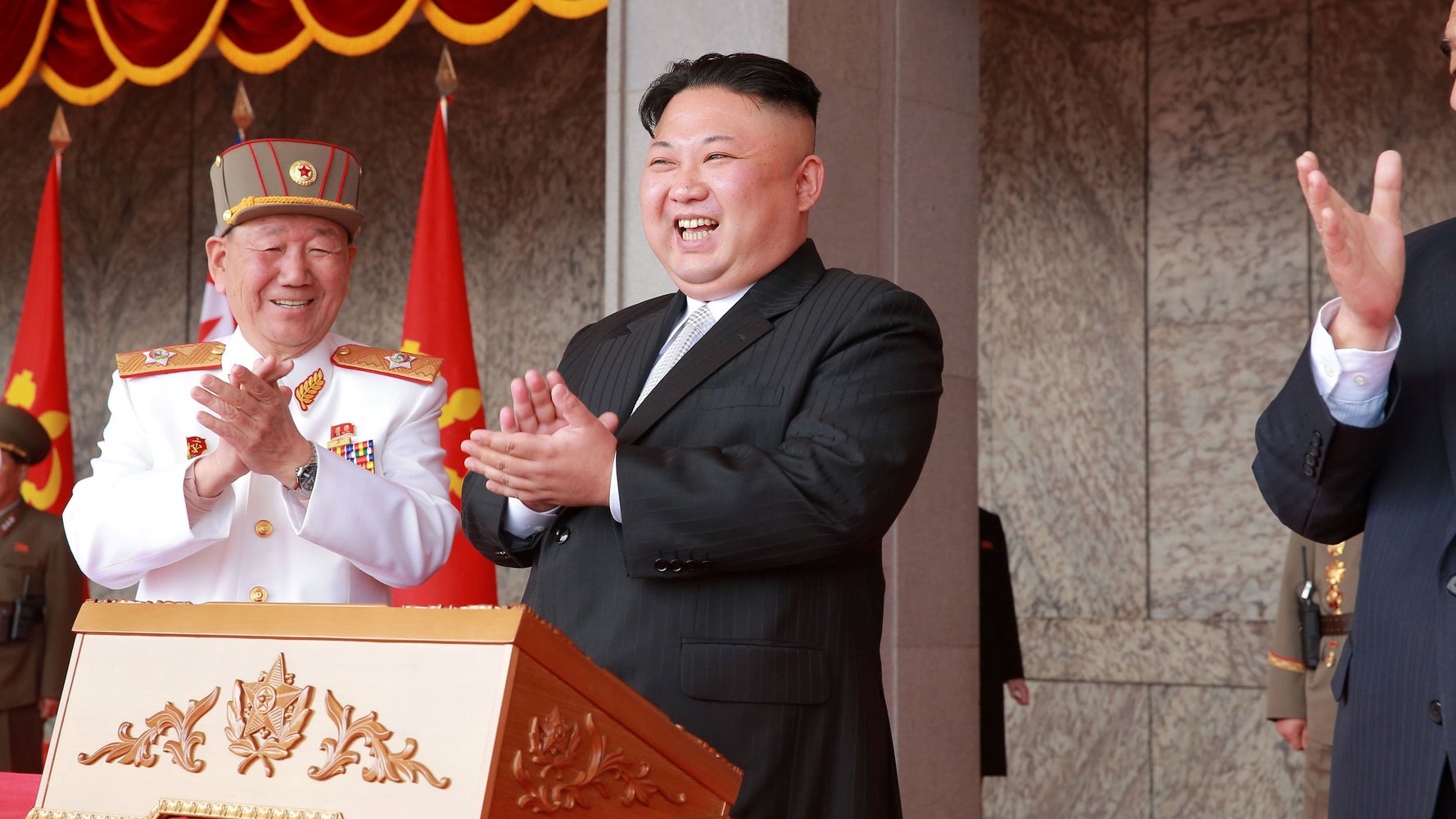
Understanding North Korea Sanctions: Impacts and Implications
North Korea, officially known as the Democratic People’s Republic of Korea (DPRK), has been at the center of global tension for decades, primarily due to its nuclear weapons program and aggressive military posture. In response to its provocative behavior, various sanctions have been imposed by the international community, particularly the United Nations, the United States, and the European Union. information on North Korea sanctions https://www.lanadelreyfan.com/news/north-korea-sanctions-strict-regulations-and-global-implications.html In this article, we explore the origins of these sanctions, their effectiveness, and the broader implications they carry for regional and global stability.
The Historical Context of North Korea Sanctions
The sanctions against North Korea can be traced back to the early 1990s, following its withdrawal from the Treaty on the Non-Proliferation of Nuclear Weapons (NPT) in 1993. Initially, the international community sought diplomatic engagement, reflected in the Agreed Framework of 1994, which aimed to freeze North Korea’s nuclear program in exchange for aid and normalization of relations. However, the deal collapsed, leading to a series of escalating tensions and further sanctions, particularly after North Korea conducted its first nuclear test in 2006.

Types of Sanctions Imposed
Sanctions on North Korea can be categorized into two main types: economic sanctions and diplomatic sanctions. Economic sanctions primarily target key sectors of the North Korean economy, including trade limitations, export and import bans, and financial restrictions. Diplomatic sanctions involve a reduction in formal diplomatic ties and the exclusion of North Korean representatives from international forums.
Economic Sanctions
Economic sanctions are most visible in the broad array of trade restrictions that have been placed on North Korea. For instance, the United Nations Security Council (UNSC) has imposed several resolutions since 2006, progressively tightening trade restrictions. These include limitations on the export of coal, textiles, and seafood, as well as a ban on imports of natural resources, including oil and gas. In addition, multiple countries have enforced their own sanctions, limiting financial transactions with North Korean entities and individuals, further isolating the regime economically.
Diplomatic Sanctions
Diplomatic sanctions take multiple forms, ranging from the expulsion of North Korean diplomats to restrictions on international travel by North Korean officials. The goal of these sanctions is to isolate the North Korean regime politically, reducing its legitimacy on the global stage. Countries have also restricted participation in international organizations, effectively reducing the DPRK’s ability to engage in diplomatic negotiations.
Effectiveness of Sanctions
The effectiveness of sanctions on North Korea is a deeply contested issue. Proponents argue that sanctions have successfully slowed the pace of North Korea’s nuclear program, as evidenced by periods of negotiation and rapprochement. For instance, the initial sanctions following the 2006 nuclear test led to the Six-Party Talks, where North Korea agreed to dismantle some of its nuclear facilities.
However, critics point out that North Korea has continued to advance its nuclear capabilities despite these sanctions. Reports suggest that the regime has developed methods to circumvent sanctions, such as engaging in illicit trade networks and increasing dependency on trade with China, which has often been accused of not fully enforcing sanctions. This leads to skepticism regarding the overall efficacy of sanctions as a long-term strategy to achieve denuclearization.
Response of North Korea
North Korea’s response to sanctions has evolved over time. Initially, the regime denounced the sanctions as acts of aggression and threats to its sovereignty. Over time, it shifted its narrative to emphasize its self-reliance and resilience against external pressures. The government ramped up military rhetoric and conducted a series of missile tests, framing these actions as necessary for national defense in the face of international hostility.
Global Implications of North Korea Sanctions
The sanctions on North Korea carry significant global implications. Firstly, they highlight the challenges of enforcing international law in the face of non-compliance by nation-states. The North Korean situation serves as a case study for the limitations of diplomatic negotiations when faced with a regime committed to pursuing weapons of mass destruction.
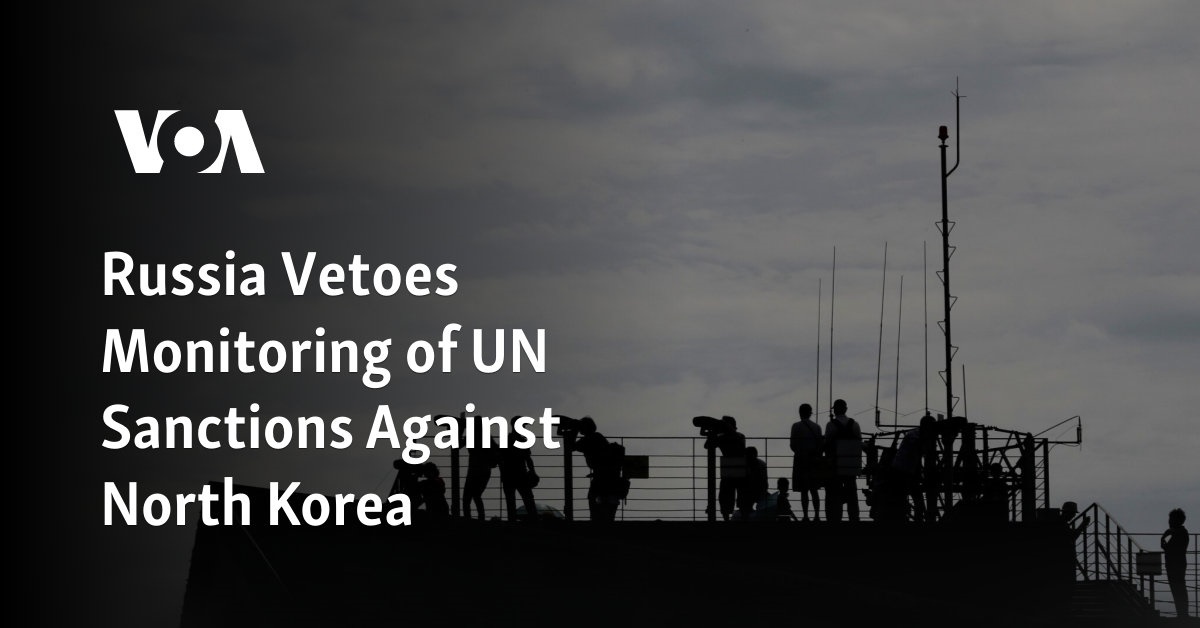
Secondly, the sanctions can have unintended consequences. While intended to weaken the DPRK’s military capabilities, they often disproportionately affect the civilian population, leading to humanitarian crises. Reports indicate that increased food shortages and economic hardship in North Korea may be linked to these sanctions, prompting calls for a reconsideration of strategies to ensure humanitarian exemptions in future sanctions regimes.
The Future of Sanctions Against North Korea
Looking ahead, the future of sanctions against North Korea will likely depend on geopolitical factors, including the evolving relationships between North Korea, South Korea, the United States, and China. The Biden administration has indicated a willingness to engage in dialogue, but substantive progress towards denuclearization remains elusive.
Moreover, the international community must find a balance between maintaining pressure on the North Korean regime while exploring avenues for humanitarian aid and engagement. As tensions in the Korean Peninsula continue, the debate surrounding the effectiveness and morality of sanctions will persist, emphasizing the need for a comprehensive and adaptive approach to this complex issue.
Conclusion
In summary, the sanctions imposed on North Korea remain a critical component of international efforts to address threats associated with its nuclear weapons program. The ongoing discussion regarding the effectiveness of these sanctions highlights the challenges of balancing national security interests with humanitarian considerations. As the situation evolves, it is essential that policymakers remain vigilant and adaptable, ensuring that their decisions contribute to a peaceful resolution on the Korean Peninsula while mitigating the human cost of their actions.